Choosing Rental Property Improvements: A Practical Capital-Planning Framework for Ontario Owners
A practical framework for Ontario rental owners to choose improvements based on condition, safety, operating problems, tenant experience and life-cycle cost.
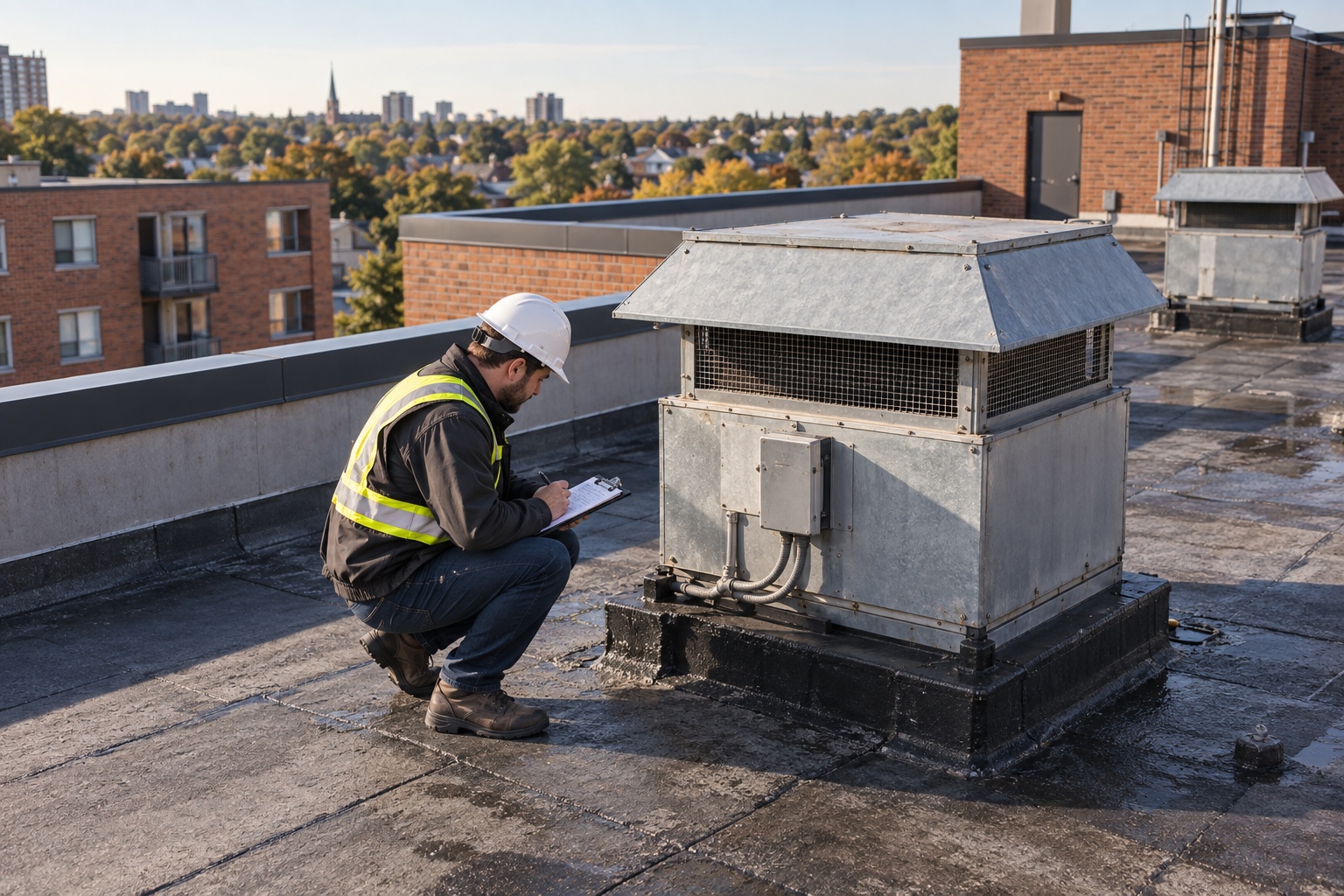
A practical framework for Ontario rental owners to choose improvements based on condition, safety, operating problems, tenant experience and life-cycle cost.
For apartment-building owners and commercial-property decision-makers, the hardest part is often not finding a contractor. It is deciding what to fix first. Good capital planning helps you separate routine maintenance from major replacement work, focus on building condition, and avoid spending on cosmetic upgrades before the property’s core systems are ready.
In the GTA, where construction conditions can change from site to site, this decision matters even more. Larger Ontario projects should be treated case by case. The right approach starts with the building itself: its age, condition, recurring problems, compliance needs, and the impact on tenants or occupants.
1) Start with condition, not appearance
A fresh finish can make a space look improved, but it does not solve a failing roof, unreliable mechanical systems, water intrusion, or worn common-area components. Before choosing finishes or aesthetics, owners should ask a basic question: what is actually limiting the building’s performance?
That usually means reviewing:
- building envelope condition
- roof and drainage issues
- HVAC or ventilation reliability
- plumbing performance and leak history
- electrical capacity and known deficiencies
- parking, walkways, entrances, and accessibility issues
- interior common areas that affect safety or tenant experience
When the building’s underlying condition is stable, cosmetic work can be more worthwhile. When the building has repeated operating problems, those issues should usually come first.
2) Separate routine maintenance from capital replacement
This distinction is important for planning. Routine maintenance keeps systems working as intended. Capital replacement is for major components that have reached the end of useful life, are no longer reliable, or need full renewal.
CMHC’s capital replacement planning guidance distinguishes planned upkeep from the replacement of major building components. It also recommends identifying components, expected remaining life and replacement costs. Its guidance concerns affordable housing operations; these general planning principles can inform an owner’s discussion without establishing the requirements for a different property.
Examples of routine maintenance may include:
- servicing equipment
- patching or minor repairs
- cleaning and seasonal upkeep
- replacing small worn components
Examples of capital work may include:
- full roof replacement
- window replacement
- major mechanical system renewal
- full resurfacing or reconstruction of shared areas
- large-scale electrical or plumbing replacement
These are operational examples, not tax classifications. Confirm technical scope with qualified building professionals and accounting treatment with your accountant.
3) Use a decision matrix before choosing the project
A practical way to compare projects is to ask the same questions about each option:
| Question | Why it matters | | --- | --- | | Does the issue affect safety, compliance, or reliability? | These usually outrank cosmetic upgrades. | | Is the problem recurring? | Repeated failures warrant investigation before choosing repair or replacement. | | Does it affect tenants, customers, or daily operations? | High-impact items usually deserve earlier attention. | | Can routine maintenance solve it, or is major replacement likely needed? | This helps avoid short-term fixes that delay the real work. | | What is the likely life-cycle impact? | A longer-lasting solution may be more practical than a cheaper patch. | | Can the work be phased with less disruption? | Occupant experience matters in occupied buildings. | | Is professional review needed before scoping the work? | Safety and compliance issues should be assessed by qualified professionals. |
This kind of matrix keeps decisions grounded in evidence rather than appearance alone.
4) Put safety and compliance review near the top
Some projects should not be chosen only on visual appeal or tenant preference. Any work that may affect building safety, fire protection, structural performance, accessibility, electrical systems, or other regulated areas should be reviewed by qualified professionals.
That is especially important when a project could change how the building is used, occupied, or maintained. Owners should build professional review into planning early, not after the scope is already fixed.
5) Consider tenant experience and operating disruption
An improvement can be technically sound and still be a poor choice if it creates excessive disruption or does not solve a real building problem. Tenant experience matters in occupied rental properties and operating commercial spaces.
Useful questions include:
- Will this reduce complaints, downtime, or service calls?
- Does it improve comfort, access, or common-area use?
- Will the work cause short-term disruption that is justified by the long-term benefit?
- Can the project be scheduled in a way that protects occupancy and operations?
Projects that improve reliability and reduce recurring frustration often deliver more value than purely decorative updates.
6) Think in life-cycle terms
Life-cycle cost is broader than upfront cost. A lower-cost option may need replacement sooner, create more maintenance, or fail to address the root problem. A more durable solution may be better if it reduces repeat work and operating disruption over time.
This does not mean every project needs a premium specification. It means the choice should match the building’s use, exposure, and long-term plan.
7) A simple checklist for owners
Before approving a rental property capital improvements plan, ask:
- What problem are we solving?
- Is this maintenance or replacement?
- What is the building condition telling us?
- Does it affect safety, compliance, or reliability?
- Is the issue recurring?
- How much disruption will the work create?
- Will tenants or occupants notice a real operational benefit?
- What does the long-term lifecycle picture look like?
- Have qualified professionals reviewed the technical scope?
If several answers point to deeper building risk, that project should move up the list.
8) A practical order of priorities
Use the following groups to organize the discussion, not as a universal order for carrying out work:
- Safety and compliance-related items
- Major failures and recurring operating problems
- Building envelope and water intrusion risks
- Essential mechanical, plumbing, or electrical replacements
- Tenant-experience improvements tied to reliability
- Cosmetic upgrades that can wait until core systems are stable
The actual urgency and sequence should follow a qualified assessment of the property. A lower-listed issue can be the most urgent one on a particular site.
Conclusion
Choosing the right improvements is less about picking the nicest finish and more about understanding what the property needs to stay reliable, safe, and practical to operate. When owners compare condition, recurring problems, occupant impact, and life-cycle cost, they make better long-term decisions.
For GTA projects and larger Ontario work that needs a case-by-case approach, a clear capital-planning discussion can help define scope before work begins. Request a construction estimate with your location, building type and the issue you want addressed. No rental-income increase or investment return is promised; the purpose is to define a suitable project.