Managing a Small Apartment Building: Five Systems That Matter More as You Grow
Organise a small apartment building around clear issue intake, asset records, recurring service, decisions and continuity when the owner is away.
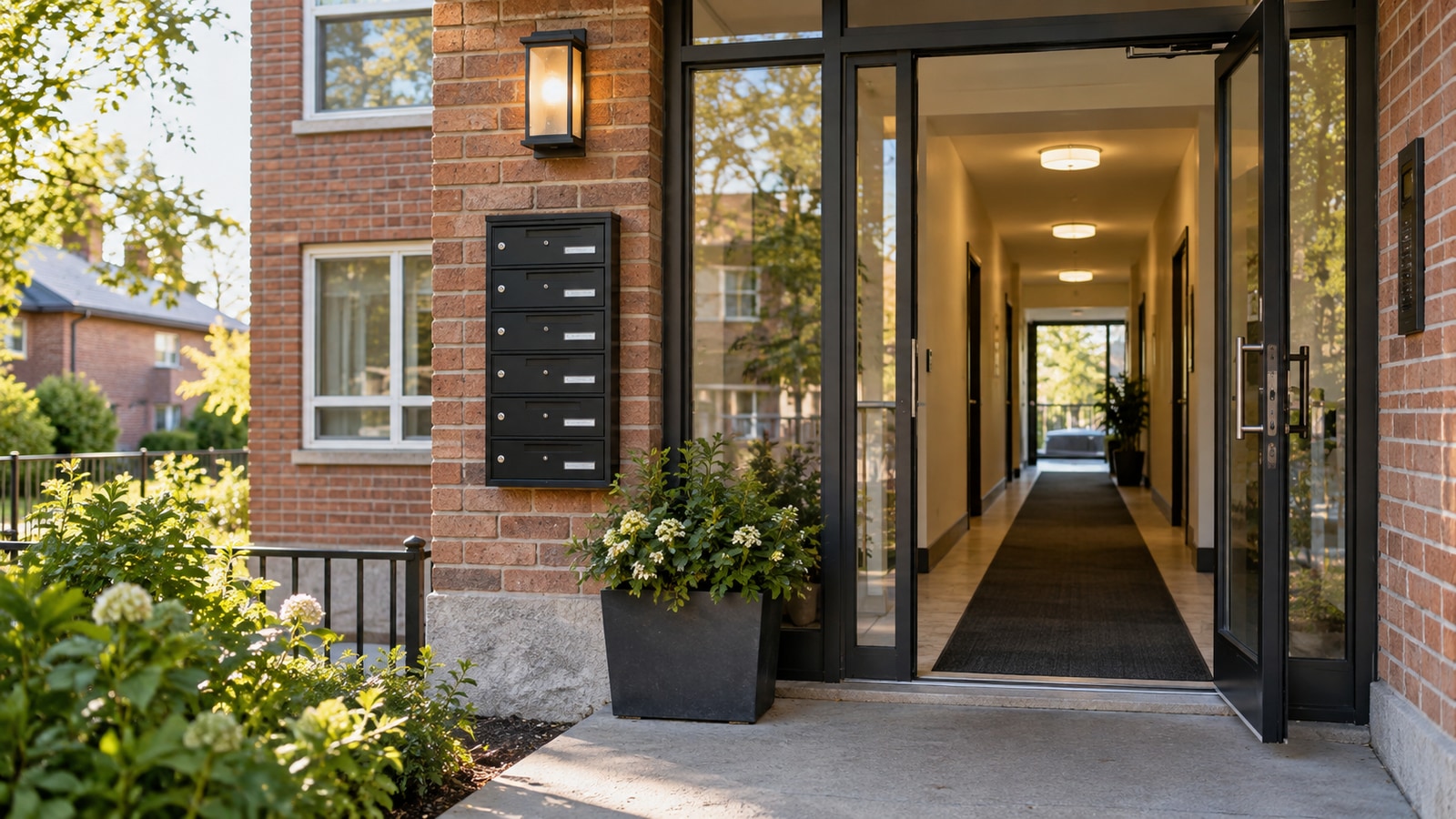
Organise a small apartment building around clear issue intake, asset records, recurring service, decisions and continuity when the owner is away.
Moving from one rental unit to a small apartment building changes more than the number of enquiries. Shared spaces, recurring service and overlapping issues can make an informal system harder to maintain.
The answer is not necessarily a more complicated app. It is a clearer operating structure: where information enters, who takes responsibility and how someone else can continue the work when the usual person is unavailable.
1. One reliable place for ordinary issues
Choose a clear intake route for routine maintenance and resident questions, with an appropriate separate route for urgent concerns. Explain both in building communications and keep them current.
The intake record should capture the location, reported issue, date and next action. If a report arrives through another channel, bring the relevant information into the working record rather than leaving it only in one person's text messages.
This does not mean ignoring residents who use the wrong channel. It means keeping the follow-up coherent after the report is received. The building should not have three apparently separate versions of the same issue because three people heard about it.
2. A useful building and unit record
Create a practical reference for the property: common-area equipment, unit-specific items where relevant, service providers and current work history. Record enough detail to help the next person identify the correct item and understand previous work.
Separate building-wide issues from unit-specific ones. A repeated report in several locations may need to be assessed as a shared problem rather than processed as unrelated requests. That assessment should be made by the appropriate professional, using the available history.
Do not turn an asset register into an unnecessary collection of resident information. Tenant data requires appropriate safeguards and limited use, as discussed in the Office of the Privacy Commissioner's landlord–tenant guidance.
3. A recurring-service calendar with evidence
A calendar entry tells you something is planned. It does not tell you whether the visit happened or whether the resulting recommendations were addressed.
For recurring work, record the coordinator, the relevant service scope and how completion will be confirmed. Link a report or other appropriate evidence to the completed entry. Carry forward any unresolved recommendation as a separate action.
Set the actual service needs with qualified providers and applicable requirements. Avoid copying another building's calendar and assuming it fits your property. Equipment, condition and use can differ even between buildings that look similar.
4. Clear decisions and escalation
The team needs to know what can proceed under the agreed operating arrangement and what requires an owner decision. It also needs an escalation route for urgent matters and unavailable decision-makers.
The most useful approval request explains the issue, recommended next step, relevant options and outstanding uncertainty. An owner should not have to reconstruct the situation from a forwarded conversation with no summary.
This system is not just about spending limits. It is also about responsibility: who checks the information, who makes the decision and who confirms that the instruction was carried out. Keep the decision linked to the work record so it remains understandable later.
5. Continuity when one person is away
Ask a practical question: could an authorised backup find the current open issues, service contacts and pending decisions without calling you?
If the answer is no, identify which information exists only in your memory or personal inbox. Move necessary operating information into an appropriately protected shared record. Use controlled access rather than widely circulating keys, passwords or resident files.
A backup arrangement should explain the role being covered and its limits. Giving someone a contact list is not the same as agreeing that they are responsible for coordinating a response.
Try a 30-day operating review
As an owner-led exercise—not a promised service timetable—use the next month to examine how work actually moves through the building. Follow a few ordinary issues from report to closure.
Note where the process depends on memory, where information is duplicated and where a handover becomes unclear. Then choose one improvement at a time: a more consistent issue record, a clearer backup role or better completion evidence.
Useful questions are straightforward:
- Can we identify the current coordinator for every open issue?
- Can the owner see decisions waiting for approval?
- Are repeat problems linked to their history?
- Does completed work have a recorded outcome?
- Can an authorised backup find what they need?
Scale the system, not the confusion
A small building does not need every feature of a large operation. It does need dependable habits that remain useful when the workload grows or someone is absent.
Atalla Group works with rental-property owners across Ontario. Discuss management support for your apartment building.
Further reading
These are suggested operating practices, not a statement that any particular software feature or service is included in an agreement.
This article provides general information only and is not legal advice. Obtain qualified advice for your property, project or circumstances.