Planning a $50K+ GTA Renovation: What to Prepare Before Requesting an Estimate
A practical checklist for landlords and investors preparing a $50K+ GTA renovation estimate, including scope, access, timing and key decision details.
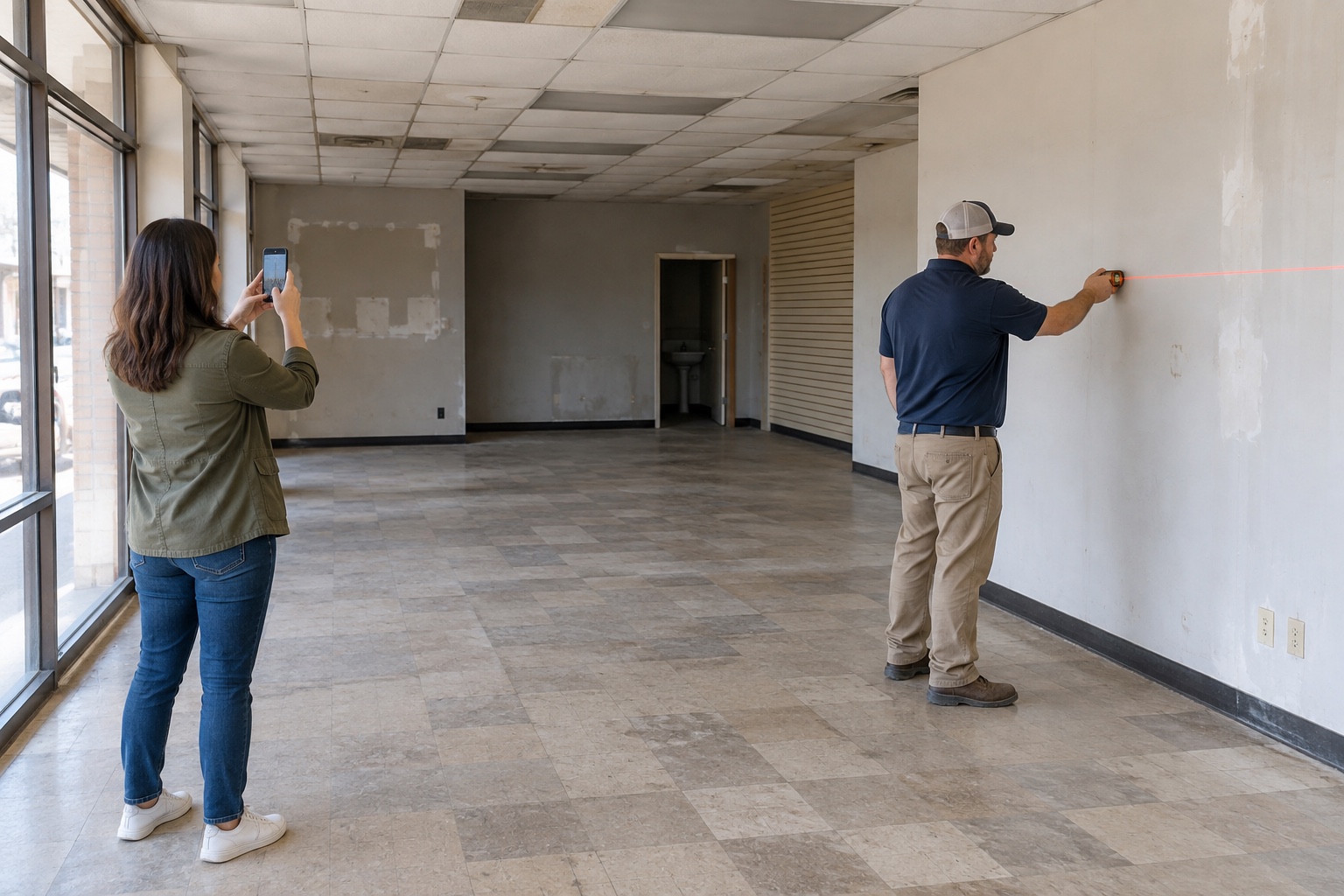
A practical checklist for landlords and investors preparing a $50K+ GTA renovation estimate, including scope, access, timing and key decision details.
A renovation estimate is easier to compare when everyone starts with the same information. For apartment-building owners and commercial property decision-makers, that matters even more on $50,000+ projects. A clear pre-estimate package helps narrow uncertainty, reduce back-and-forth, and set a better starting point for early budget discussions.
This is especially useful in the GTA, where project complexity, building age, occupied units, site access and scheduling constraints can change the level of effort required. Larger projects elsewhere in Ontario can also be assessed case by case.
1) Start with the property basics
Before asking for an estimate, prepare a simple summary of the property.
Include:
- property type, such as apartment building, mixed-use site, retail unit or office space
- location and municipality
- approximate size or number of units, suites or areas affected
- whether the building is occupied or vacant
- any known building systems or construction features that may affect the work
This information helps a contractor understand the setting before they review the scope. It also helps frame whether the project is a straightforward refresh or a more complex renovation with multiple trades and coordination points.
2) Explain the project goals
A good estimate starts with the reason for the renovation, not just the tasks.
For example, the goal may be to:
- modernize common areas
- refresh unit interiors before re-leasing
- improve functionality for tenants or staff
- address wear and tear across a larger building
- prepare a property for repositioning or sale
Keep the goals practical and specific. If the work is meant to support a leasing strategy, operational upgrade or capital plan, say so. That helps the estimator understand where flexibility exists and where quality, durability or finish level may matter more.
3) Share current-condition photos, plans and drawings
The more visible the existing condition, the better the early estimate can be.
Useful materials include:
- current-condition photos
- floor plans
- drawings or sketches
- existing finish schedules, if available
- notes on damaged areas, water issues, wear patterns or access problems
Photos should show both the broad layout and the details. Obtain any necessary permission and avoid including residents, personal documents or access codes. For larger projects, a plan or marked-up drawing can be especially helpful. If there are multiple areas involved, label them clearly so there is no confusion about what is included.
If plans are not available, photos and a room-by-room description can still support a useful preliminary discussion.
4) Define the scope priorities
For a $50K+ renovation, it is important to separate must-haves from nice-to-haves.
List the work in priority order:
- essential repairs or replacements
- high-priority upgrades
- optional items if budget allows
This is one of the most useful parts of the pre-estimate pack. It allows the contractor to understand where the budget must go first. It also makes it easier to talk about trade-offs early, rather than after a detailed quote is already being prepared.
If some items are still undecided, say that clearly. A brief note such as “final finish selection pending” is better than leaving a gap in the scope.
5) Explain occupied areas and access limits
Access can change the cost and sequencing of a renovation.
Be clear about:
- whether work areas are occupied
- whether tenants, staff or customers will remain on site
- any restrictions on working hours
- elevator, loading dock or parking access
- material storage limits
- noise, dust or shutdown sensitivities
- building rules or management requirements
For apartment and commercial properties, access planning is often as important as the physical scope. If the work must be phased around operations, that should be stated early. It helps avoid estimates that look complete on paper but do not fit the realities of the site.
6) Give a target budget range
A target budget range is not the same as a fixed quote. It is a guide for planning.
A practical range helps the contractor understand the level of finish, phasing and coordination that may be realistic. It also helps keep the discussion focused on solutions that fit the project.
For example, an early budget conversation may explore whether the work is aiming for:
- a functional refresh
- a mid-range upgrade
- a more comprehensive renovation approach
This is not the same thing as a detailed fixed quote. A detailed quote usually comes later, after site review, scope clarification and enough information to price the work with more confidence.
7) Set timing and decision process
Timing affects estimate quality and project planning.
Include:
- preferred start window
- whether the project is urgent or flexible
- any leasing, vacancy or operational deadlines
- who will review the estimate
- how the decision will be made
It is also helpful to name the main decision-maker. If there are several stakeholders, say who needs to approve the scope, budget or finish selections. That can prevent delays during the estimate stage.
8) List known constraints and unknowns
Be direct about anything that could affect the work.
Examples include:
- asbestos or other hazardous-material concerns, if known
- old wiring, plumbing or structural issues
- permit or condominium requirements
- heritage considerations
- tenant coordination needs
- noise or access limitations
Any suspected hazardous material or structural issue should be assessed by an appropriately qualified professional before work that could disturb it. If something is unknown, say so. A clear note such as “condition behind walls not yet verified” is useful. It tells the estimator where more investigation may be needed before final pricing.
9) Use a simple checklist before you request the estimate
Before sending the request, confirm that you have:
- property type and location
- project goals
- current-condition photos, plans or sketches
- prioritized scope list
- access and occupancy details
- target budget range
- timing and decision-maker information
- known constraints and open questions
If you can assemble those items in one package, the estimate conversation is usually more productive.
10) Keep the first conversation focused on planning
The early budget discussion is about setting direction. It is not the same as a final fixed-price quote.
That distinction matters on larger renovation work because the estimate stage may reveal scope gaps, site risks or access issues that need clarification before final pricing. A careful first review can make the next step more efficient and reduce avoidable surprises later.
Conclusion
For GTA landlords and investors, the strongest renovation estimates usually start with a clear, well-organised brief. When the property details, goals, photos, scope priorities, access limits, timing and budget range are all in one place, the estimate discussion becomes more useful and more realistic.
Preparing a $50K+ renovation in the GTA? Request a construction estimate. Start with the property location, project type and a short description; the information pack can follow during the project discussion. Larger projects elsewhere in Ontario are assessed individually.