Water-Leak Readiness for Rental Buildings: A Clear Reporting and Response Plan
Build a clear water-leak reporting and response plan for your rental building, from emergency contacts and incident records to professional follow-up.
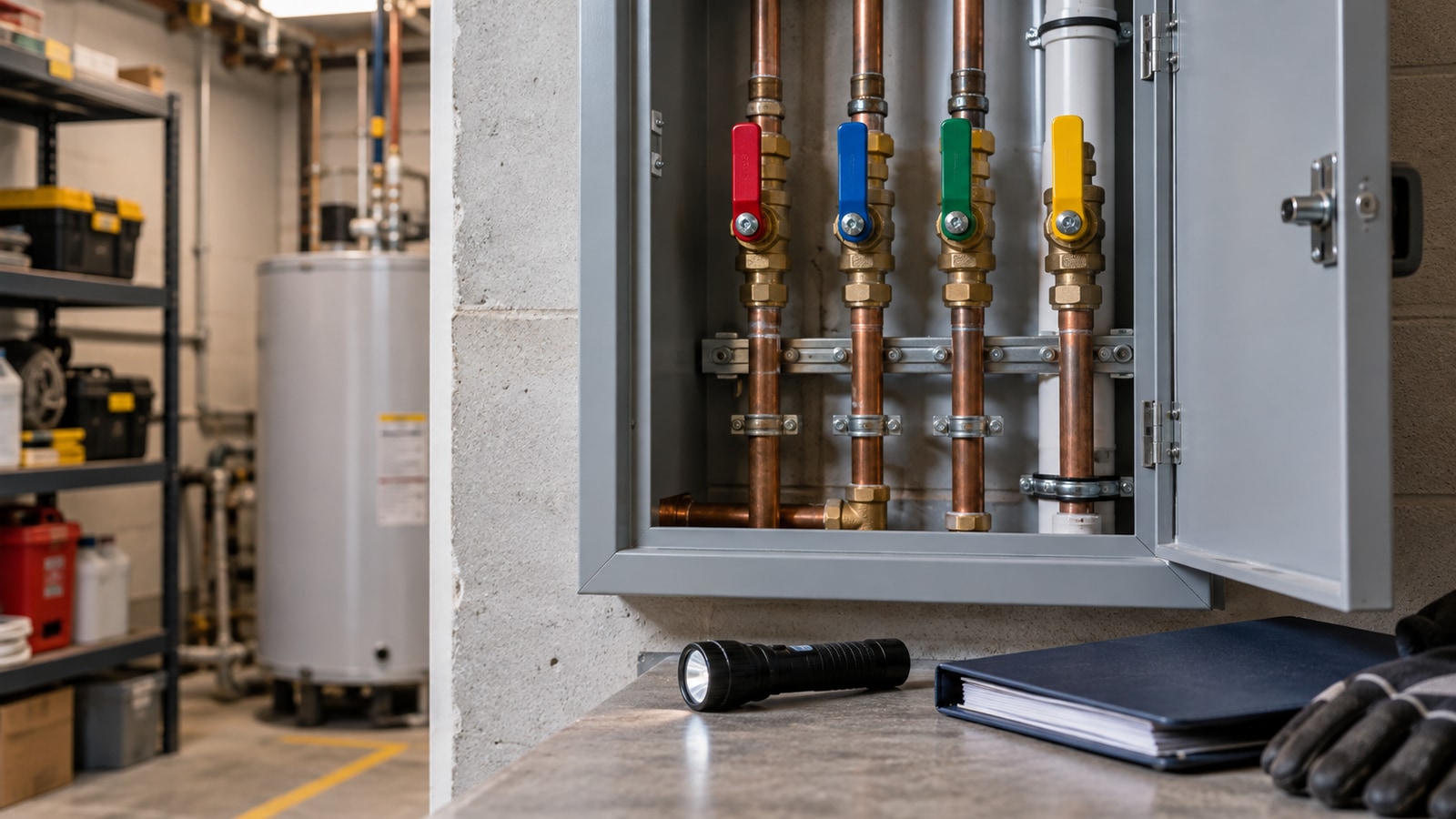
Build a clear water-leak reporting and response plan for your rental building, from emergency contacts and incident records to professional follow-up.
When a resident reports a leak, the first conversation should not be about finding the right phone number. A rental building needs an easy reporting route, a clear response coordinator and property information that authorised professionals can use.
A water-leak readiness plan does not prevent every incident. It helps the people involved understand what to report, who takes over and how the issue moves from an initial call to a properly documented outcome.
Make the reporting route unmistakable
Give residents a building-specific route for urgent maintenance reports and explain how it differs from ordinary enquiries. Keep the details current when staff or contractors change. An old number in a welcome document is not a reliable response plan.
Ask residents to report what they can observe safely: the location, when they noticed it and whether the condition appears to be changing. Photographs can be useful when safe and appropriate, but nobody should delay an urgent report to obtain a better image.
For immediate danger, use emergency services and follow their instructions. Stay clear of wet electrical areas. This article does not provide repair or emergency make-safe instructions.
Prepare information before it is needed
An authorised response team may need building access arrangements, the relevant service contacts and accurate information about equipment or shutoffs. Keep that material accessible to the people who need it, without publicly exposing keys, access codes or sensitive building details.
Have qualified personnel verify any building-specific technical information. An unlabeled or incorrectly identified valve can create more confusion than no diagram at all. Residents and untrained staff should not be asked to experiment with unfamiliar systems.
The City of Toronto provides frozen-pipe guidance, but a response plan still needs to reflect the actual building and qualified advice.
Name one response coordinator
The coordinator keeps the communication together. Their role may include arranging the appropriate contractor, documenting the report, informing the owner and tracking any further assessment.
That is different from diagnosing the cause or carrying out technical work. A good coordinator knows when the issue needs a plumber, restoration professional, insurer or another qualified party—and records who has taken responsibility for the next step.
Access to affected and neighbouring spaces must be handled lawfully for the situation. The LTB's maintenance and repair guidance is a reference for Ontario rental responsibilities; obtain situation-specific advice where needed.
Record facts before conclusions
Use a simple incident record with these fields:
- Time and method of the initial report.
- The affected location and observed condition.
- Immediate escalation and the people contacted.
- Assessment or work arranged.
- Owner decisions and other outstanding dependencies.
- Communications with affected residents.
- Follow-up findings and closure evidence.
Keep observations separate from assumptions about responsibility. “Water observed below the cabinet” is not the same as proof of how the problem started. Recording blame before an assessment can distract from the response and make the file less reliable.
If an insurer needs to be involved, follow the relevant policy and professional advice. Do not assume that a generic online checklist determines coverage or reporting obligations.
Separate stopping the leak from finishing the response
The initial source may be addressed while other questions remain. Have affected materials been assessed? Is further drying or restoration required? Are adjoining spaces affected? Who confirms the next stage is complete?
Those questions belong with appropriate professionals. A surface that looks dry does not by itself establish the condition behind it. Similarly, a repair invoice may show that one task was completed without closing every aspect of the incident.
In a hypothetical example, a plumbing visit resolves a leaking fitting. The coordinator records that result but leaves the incident open pending the recommended assessment of affected finishes. The file is closed only after the remaining actions are addressed or clearly transferred to a tracked follow-up plan.
Review the response after the incident
Ask what slowed the work: an unanswered call, outdated access information, unclear authority or missing records. Update the plan while those details are still fresh.
The purpose is to improve the next response, not to create a lengthy report nobody uses. A current contact list and a clear handover can be more valuable than a complicated document stored where the response team cannot find it.
Atalla Group supports rental owners across Ontario. Discuss a clearer property-management operating plan. This enquiry form is not an emergency reporting channel.
Further reading
General operating information only; use qualified professionals for technical, insurance and legal questions.
This article provides general information only and is not legal advice. Obtain qualified advice for your property, project or circumstances.