Why Rental Listings Get Views but Few Enquiries: An Owner’s Conversion Checklist
Improve a rental listing by clarifying property facts, photography, availability and the viewing process without discriminatory screening or hype.
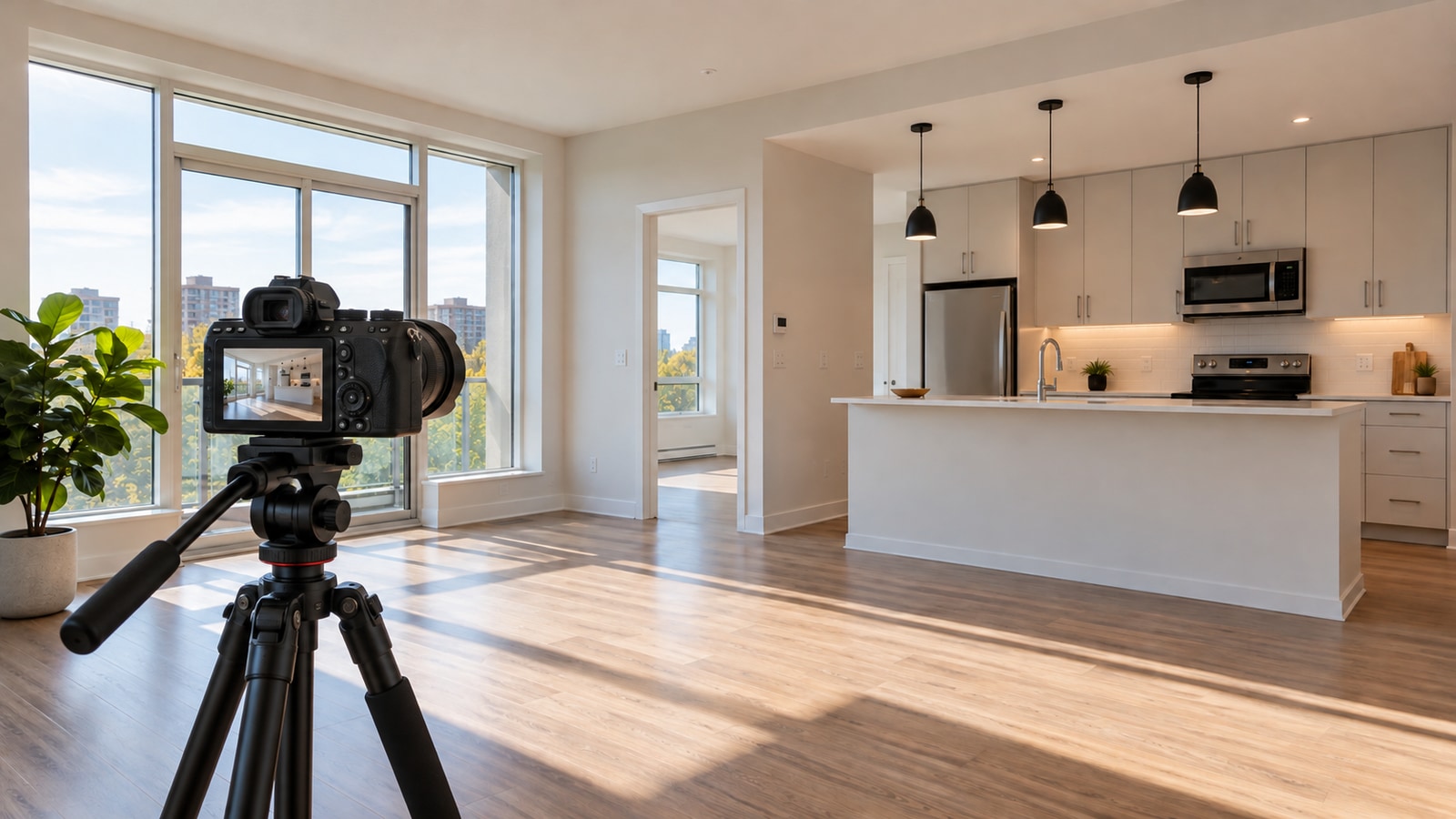
Improve a rental listing by clarifying property facts, photography, availability and the viewing process without discriminatory screening or hype.
A rental listing can attract attention without helping someone decide whether to enquire. The missing piece may not be a more dramatic headline. It may be an unanswered practical question: what is included, when is it available, or how do I arrange a viewing?
Before changing everything, review the path from the listing to the first response. The objective is not simply more messages. It is clearer enquiries from people who understand the property's actual features, costs and availability.
Check whether the listing answers basic questions
Read the listing as if you had never seen the property. Can you understand the space, the stated rent, relevant inclusions or exclusions and the next step without sending a message first?
Compare the description with other places the property is advertised. Inconsistent availability or different feature descriptions can make a straightforward enquiry feel risky. Confirm the facts and update every version that your team controls.
Do not add attractive claims simply because competing listings use them. If parking, storage or a particular appliance is mentioned, the information should reflect what is actually offered and under what terms.
Make the photographs answer real questions
Use current, authentic photographs of the actual property. Show the important rooms and relevant features in a way that helps a viewer understand the space. Avoid exaggerated angles that make proportions misleading.
A strong sequence should feel like a clear introduction, not a set of disconnected close-ups. If a material part of the space is missing, consider whether viewers are left uncertain about what the listing does not show.
Do not use illustrative or generated interiors as if they document a real rental. Protect occupants' privacy when arranging photography, and obtain appropriate permissions and advice where necessary.
Describe the home, not a preferred type of person
Rental marketing needs to stay fair. The Ontario Human Rights Commission advises describing the property rather than excluding people through discriminatory advertising. Its fair rental-ad fact sheet is a useful review reference.
For this article, a relevant enquiry means one connected to the property's factual offering and the person's housing search—not a judgement based on a protected characteristic. Avoid language that limits suitability by family status, receipt of public assistance or other protected grounds.
Have uncertain wording reviewed before publication. An apparently casual phrase can carry a meaning the writer did not intend.
Give the next step a clear shape
Explain how someone can request a viewing or ask a property question. Make sure the link or contact route works and is monitored by the responsible person.
Keep initial enquiries proportionate. Asking for unnecessary sensitive information before answering a basic question can create friction and privacy risk. The Privacy Commissioner's landlord–tenant guidance discusses appropriate handling of tenant information.
Test the process on a phone without submitting a fake application. Check whether the button is visible, the form is readable and the instructions explain what happens next. A clear listing should not lead to a confusing contact experience.
Review what happens after an enquiry
The listing and the response are one experience. Identify who receives messages, who covers absences and how questions are answered consistently.
Review unanswered messages and repeated questions. If several people ask whether a cost is included, the listing may need clarification. If enquiries arrive but viewings do not, examine the scheduling process rather than assuming the headline is the problem.
Avoid promising an immediate response unless the operating arrangement genuinely supports it. A realistic explanation is better than an impressive promise that is routinely missed.
Replace vague copy with useful structure
Consider this hypothetical wording pattern—not a real listing:
“Beautiful unit. Contact for details.”
A more useful structure is: describe the layout and verified features; state the actual availability and relevant cost information; then explain how to request a viewing. Fill that structure only with confirmed property facts. It should reduce uncertainty, not manufacture urgency.
Change one meaningful variable at a time
Keep a dated note of substantial changes to the listing and response process. Review enquiry patterns alongside availability, pricing decisions and exposure, rather than attributing every change to one photograph.
Views alone cannot explain why a listing is underperforming. Use the questions people ask and the points where the process stops to identify the next improvement. No single wording change guarantees a tenancy.
Atalla Group supports rental-property owners across Ontario. Talk with us about leasing and property-management support.
Further reading
This article provides general information only and is not legal advice. Obtain qualified advice for your property, project or circumstances.